In the captivating realm of photography, the journey to mastering techniques involves both a creative and technical exploration. Whether you are a novice capturing your first images or an enthusiast seeking to refine your skills, understanding the fundamental aspects of photography can greatly enhance your capabilities and appreciation for the art form.
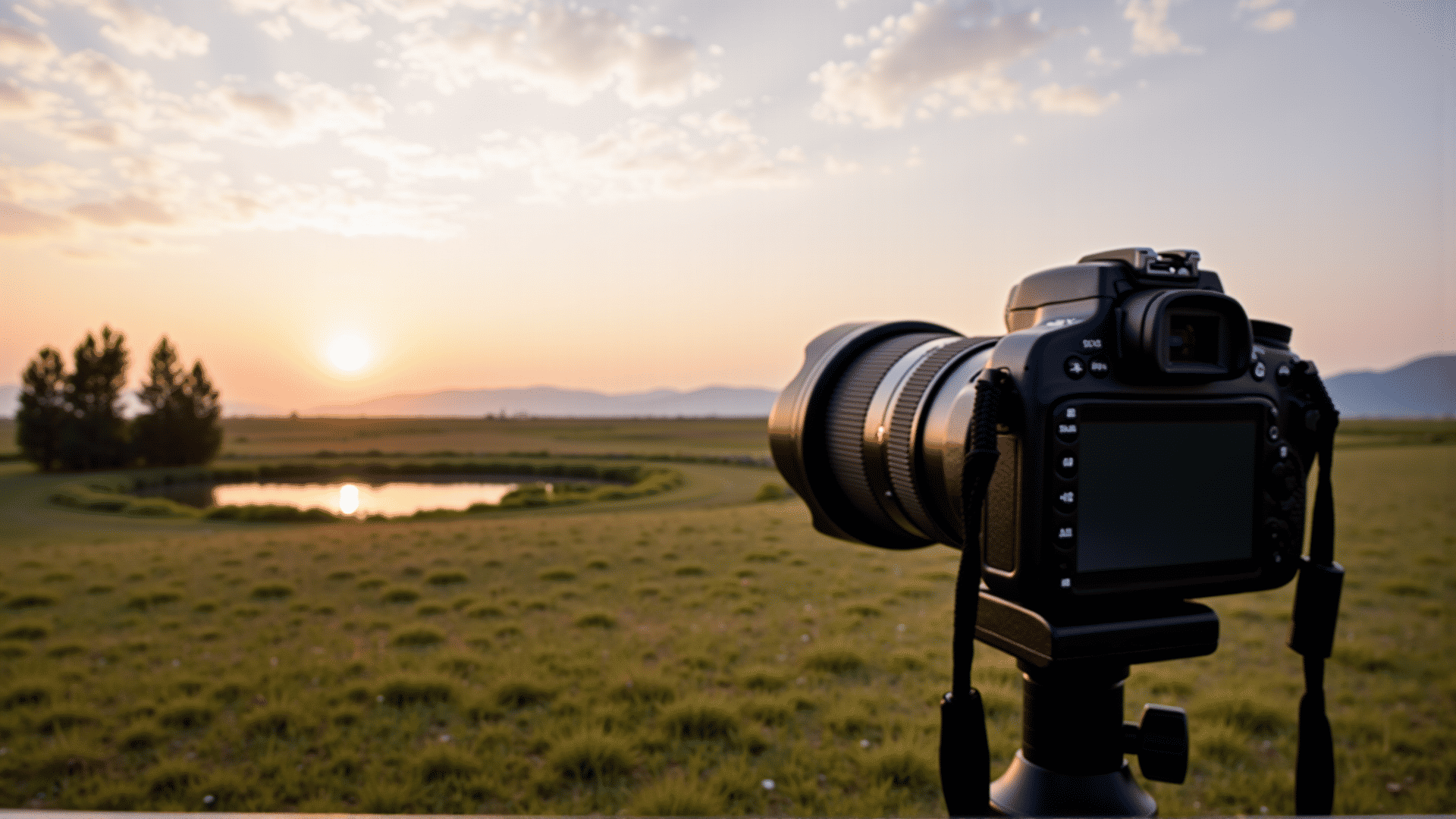
The first step to achieving excellence in photography is learning to harness the power of light. Light is the essence of any photograph, affecting its mood, tone, and even the story it tells. Experimenting with natural light during different times of the day can reveal how shadows and highlights transform a scene. The golden hours—shortly after sunrise and before sunset—are particularly magical, as they offer soft, diffused lighting that can produce stunning results.
Another essential aspect is understanding the exposure triangle, which includes aperture, shutter speed, and ISO. These three elements work in harmony to ensure that your images are well-exposed. The aperture controls the amount of light entering the lens and influences depth of field; a wide aperture (low f-number) creates a shallow depth of field, perfect for isolating subjects from the background. Shutter speed determines how long the camera’s sensor is exposed to light, with fast speeds freezing action and slow speeds capturing motion blur. ISO adjusts the sensor’s sensitivity to light; a higher ISO is useful in low-light situations but may introduce noise into the image.
Composition is another crucial element in the art of photography. The rule of thirds is a classic guideline that suggests dividing an image into nine equal parts with two equally spaced horizontal and vertical lines. Placing points of interest along these lines or at their intersections can create more visually appealing and balanced photographs. Additionally, experimenting with leading lines, symmetry, and framing can guide the viewer’s eye through the composition and add depth and context to the image.
Equally important is the choice of equipment. While it is often suggested to start with basic gear to learn the craft, understanding your camera and lenses is vital to maximize their potential. Each lens offers different perspectives—wide-angle lenses for expansive landscapes and architecture, telephoto lenses for distant subjects or portraits, and macro lenses for capturing fine details. Knowing the strengths and limitations of your equipment will allow you to choose the right tool for the vision you wish to express.
Post-processing is yet another skill set that can refine your photographs and bring your artistic vision to light. With a variety of photo editing software available, photographers can adjust exposure, balance colors, enhance details, and even remove distractions. However, it is essential to maintain a natural look to preserve the authenticity of the image.
Lastly, continuous practice and exploration are crucial. Photography is an ever-evolving field that benefits greatly from a willingness to try new techniques and pursue creative challenges. Engaging with photography communities, studying the work of acclaimed photographers, and setting personal projects can provide inspiration and foster growth.
Mastering photography techniques is a fulfilling endeavor that blends technical skill with artistic expression. By embracing the nuances of light, mastering camera settings, composing thoughtfully, understanding equipment, and refining images through post-processing, both beginners and seasoned enthusiasts can embark on a rewarding journey in the world of photography.