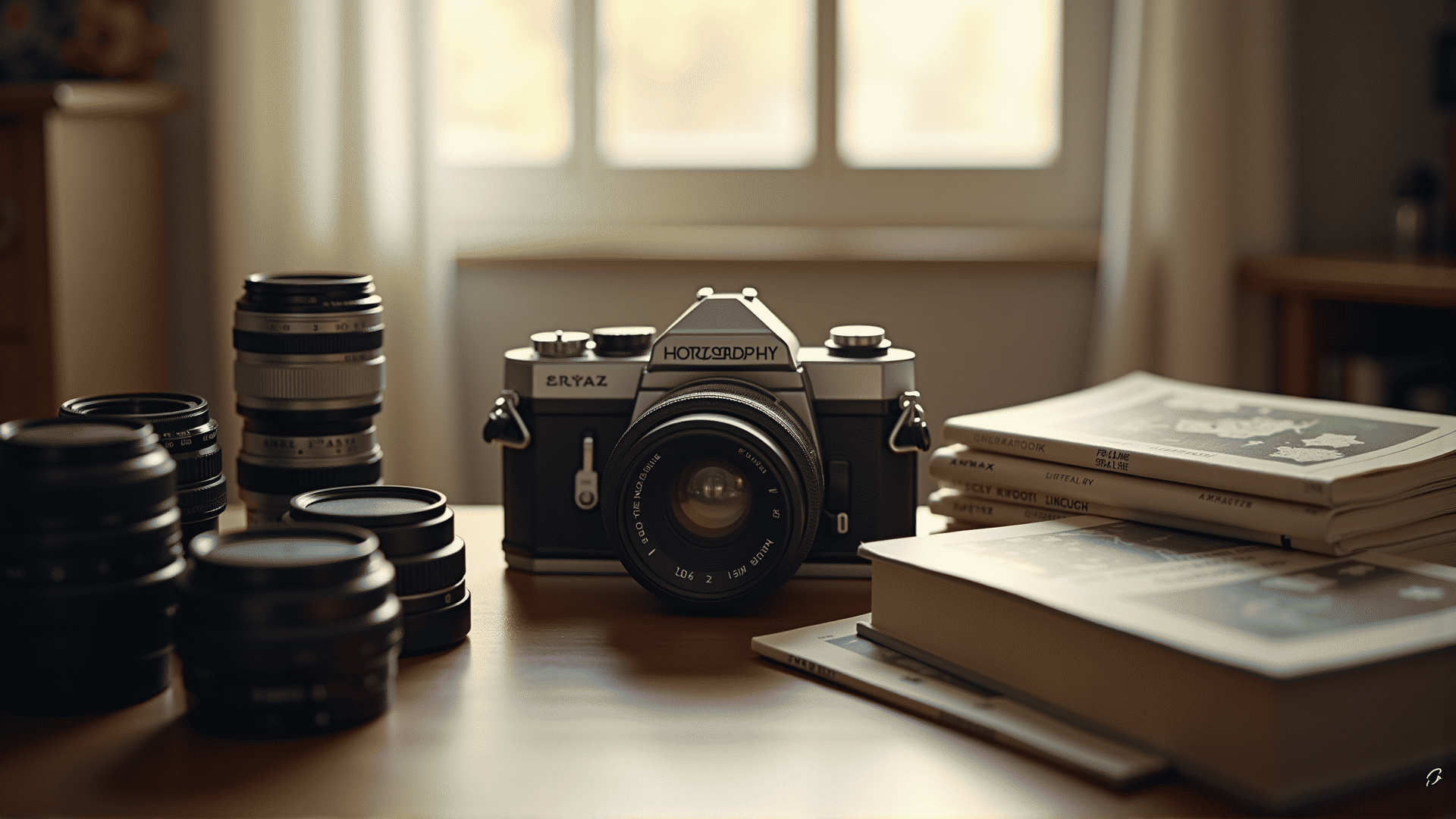
Embarking on a journey into the world of photography can be an enriching experience. At the heart of capturing stunning images lies a solid understanding of a few key elements: camera settings, composition, and lighting. Grasping these components will not only enhance your skills but also ignite your creativity.
Camera Settings
Understanding your camera is the first step in achieving technical proficiency. The three main elements you should focus on are ISO, aperture, and shutter speed. These settings form the exposure triangle, crucial for controlling how much light enters your camera.
-
ISO refers to your camera sensor's sensitivity to light. Lower ISO values are ideal for bright conditions, while higher values suit low-light environments. However, be mindful of increased noise at higher values, which can affect image quality.
-
Aperture is the size of the lens opening that allows light to enter your camera. It’s measured in f-stops. A lower f-stop, like f/2.8, results in a wider opening, offering a shallow depth of field. This effect is perfect for portrait photography as it beautifully isolates the subject. On the other hand, a higher f-stop, like f/16, provides a deeper depth of field, ideal for landscape shots.
-
Shutter Speed is the length of time the camera shutter remains open to allow light in. Fast speeds, such as 1/1000 of a second, can freeze action, while slower speeds, like 1/30 of a second or more, can create motion blur for dynamic effects.
Composition
Once familiar with your camera, mastering composition significantly enhances the visual appeal of your images. Composition refers to the arrangement of elements within a frame. Techniques such as the rule of thirds, leading lines, and framing provide structure to your photographs.
-
The rule of thirds involves dividing your frame into a 3x3 grid. Placing points of interest along these lines or their intersections often creates more balanced and engaging compositions.
-
Leading lines guide the viewer’s eyes through the image. These can be roads, rivers, or even a line of trees, helping to draw attention to the main subject.
-
Framing involves using elements such as archways, windows, or branches to create a "frame" around the subject. This technique adds depth and focus to the composition.
Lighting
Lighting is the final, yet arguably the most crucial element in photography. It not only affects the exposure but also the mood and tone of an image.
-
Natural light offers versatility, producing different effects throughout the day. The soft, diffused light during the golden hour—shortly after sunrise or before sunset—creates a warm glow, perfect for capturing stunning landscapes or portraits.
-
When shooting indoors or in challenging lighting conditions, artificial light can help shape your images. Experimenting with light sources such as flash, LEDs, or traditional lamps can lend a creative touch to your photography.
-
Understanding the direction and quality of light can dramatically influence your work. Side lighting can add depth and texture, while backlighting can create silhouettes for dramatic effect.
In conclusion, by mastering camera settings, composition, and lighting, you lay the foundation for exceptional photography. As you continue to explore and practice, these skills will empower you to transform ordinary moments into extraordinary visual stories.